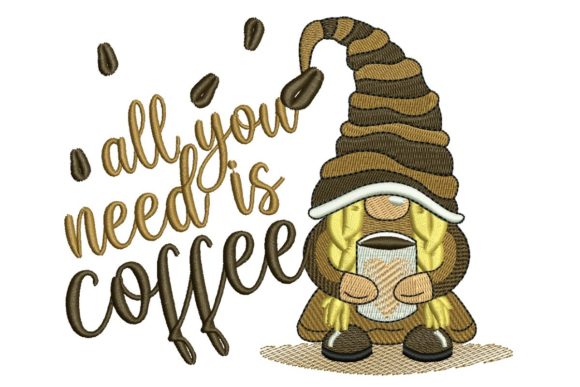
Coffee Girl Gnome: A Designer’s Practical Review
As an embroidery designer who spends more time staring at stitch maps than I do sleeping, I have developed a keen eye for what makes a machine embroidery design truly viable in the real world. It is not just about how cute the preview image looks on a website; it is about how the design behaves under the needle, how it wears after washing, and whether it adds genuine value to a finished product. Recently, I evaluated the Coffee Girl Gnome design, and I want to share my practical insights for fellow crafters, Etsy sellers, and apparel decorators considering this asset for their next project.
First Impressions: Mood and Visual Personality
The first thing that strikes you about the Coffee Girl Gnome is its inherent charm. It balances whimsy with a touch of modern elegance, making it versatile enough for various demographics. The layout feels intentional, avoiding the cluttered look that plagues many novelty designs. For those of us in the Tea and coffee niche, finding designs that do not feel overly generic is a constant challenge. This design manages to capture a cozy, inviting mood that resonates well with customers looking for comfort-oriented items.
From a technical standpoint, the visual personality suggests a mix of satin stitch borders and fill stitch bodies. This combination is crucial for creating depth without excessive bulk. When I first loaded the embroidery file into my editing software, I looked closely at the transition points. Smooth transitions are vital for maintaining the "elegant and gorgeous" promise mentioned in the product description. If the jumps are too frequent or poorly placed, the final look can appear messy, especially on lighter fabrics.
Real-World Application: Where This Design Shines
I recently used a similar gnome-themed concept for a custom order involving a canvas tote bag design. The Coffee Girl Gnome would be an excellent candidate for this type of project. Canvas provides a stable base that supports the stitch density required for detailed character work. When stitched onto a natural-colored tote, the design pops, creating a high-perceived value item that sells well at craft fairs.
Beyond totes, consider sweatshirt embroidery. A crewneck sweatshirt offers a large, flat surface area ideal for central placement. The fun nature of the gnome appeals to a broad audience, from college students to grandparents. However, when working with fleece or terry cloth, you must account for fabric texture. The pile of the fabric can swallow smaller details, so ensuring your thread colors have sufficient contrast against the garment is non-negotiable. I recommend using a slightly heavier weight thread for the outline to ensure visibility.
For baby embroidery projects, such as bibs or onesies, this design could work, but with caution. Babies move, and their skin is sensitive. Ensure that the back of the stitching is clean and that no scratchy stabilizer remains in contact with the skin. A soft cut-away stabilizer is usually the best choice here to maintain the integrity of the design through multiple wash cycles.
Technical Considerations and Fabric Compatibility
While the product description states that the design looks gorgeous on any fabric, experienced designers know that "any fabric" requires different preparations. Here is where practical judgment comes into play.
- Stretchy Fabrics: If you are applying this to a t-shirt or leggings, you must use a hoopless method or a strong tear-away stabilizer with a topping. Stretching the fabric during hooping will cause the design to pucker once it relaxes.
- Dark Fabrics: Stitching on black or navy requires careful planning. If the design includes light-colored elements, you may need to lay down a white underlay or use an applique design technique to prevent the dark fabric from showing through the stitches.
- Curved Surfaces: Embroidering on caps is tricky. The curved brim distorts the design if not digitized specifically for hats. If this is a standard flat embroidery file, avoid placing it on the front panel of a structured cap unless you have extensive experience with distortion compensation.
Another critical factor is the hoop size. Before purchasing, verify that the design fits within your machine’s maximum hoop dimensions. Trying to resize a complex design beyond 10% can lead to distorted proportions and stitching errors. Always check the specific dimensions provided in the file package.
Enhancing Product Value and Brand Consistency
For small business owners and Etsy sellers, the choice of design directly impacts brand perception. The Coffee Girl Gnome exudes a professional yet handmade aesthetic. Using high-quality design assets like this helps build customer trust. When a buyer sees clean lines and consistent stitch quality, they perceive the handmade product as premium.
This design also lends itself well to personalized gift markets. Imagine adding a name below the gnome in a complementary font. This customization increases the emotional value of the item, making it perfect for holiday gifts or birthday presents. For commercial embroidery projects, consistency is key. Test the design on scrap fabric first to establish a standard operating procedure for your team. Document the best stabilizer, thread brand, and needle size to ensure every unit produced meets your quality standards.
Practical Designer Notes for Best Results
To get the most out of this digital embroidery file, follow these practical steps before committing to your final fabric:
- Test on Scrap: Always stitch out a test sample on the same type of fabric you intend to use for the final product. This reveals issues with tension, density, or registration.
- Check Thread Contrast: View your design in black and white on your computer screen. If the details disappear, you need to adjust your thread palette for better definition.
- Inspect Small Details: Zoom in on the eyes and accessories of the gnome. Are the stitches too dense? Too sparse? Adjust if necessary to prevent thread breaks or fabric puckering.
- Verify Licensing: If you plan to sell finished items, confirm the license terms. Most designers allow commercial use for physical products but restrict the resale of the digital file itself.
- Use Proper Stabilizer: Match the stabilizer to the fabric weight. Heavy denim needs a different support system than lightweight cotton voile.
Final Verdict
The Coffee Girl Gnome is a solid addition to any designer’s library. It offers a blend of fun and elegance that appeals to a wide market. Whether you are creating a custom apparel line, stocking up for the holiday season, or making a special personalized gift, this design holds up well under scrutiny. Just remember that the quality of the final output depends heavily on your preparation, material choices, and machine maintenance. Treat the design with respect, test thoroughly, and it will serve your craft business well.
For those interested in expanding their collection, keep an eye out for coordinating elements that might pair well with this gnome, such as coffee cups or steam motifs. Building a cohesive collection allows you to offer bundled products, increasing your average order value. Happy stitching!