Fiancee Embroidery Design: A Pro Review for Merch
As an embroidery designer who has spent years digitizing files and consulting with small business owners, I approach every new machine embroidery design with a critical eye. It is not just about whether a pattern looks pretty on a screen; it is about how it performs in the real world of commercial production. Recently, I reviewed the Fiancee design, a piece categorized under Valentine S Day themes but possessing versatility that extends far beyond seasonal holidays. For boutique owners, Etsy sellers, and apparel decorators, understanding the practical application of this embroidery file is crucial before adding it to your digital library.
First Impressions: Balancing Romance and Professionalism
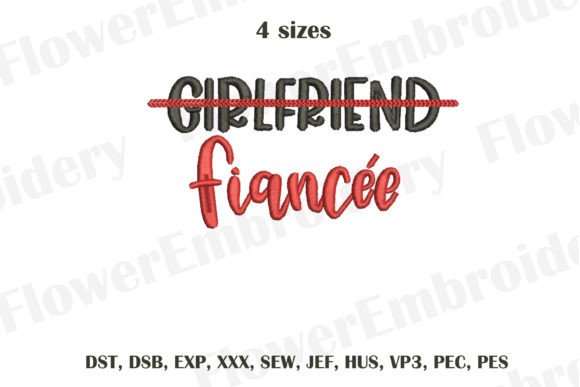
The first thing you notice about the Fiancee design is its intent. The product description highlights it as a "cute embroidery marking the new status of your fiancee," which immediately sets a tone that is playful, affectionate, and celebratory. In the context of brand identity, this design leans heavily into the handmade aesthetic. It does not scream corporate rigidity; instead, it offers a warm, inviting feel that works exceptionally well for businesses rooted in personal connection.
For a florist, a wedding planner, or a boutique specializing in bridal accessories, this design feels authentic. It avoids being overly ornate, which is a common pitfall in romantic-themed design assets. The simplicity suggests that it was created with modern stitching techniques in mind, aiming for clarity rather than excessive density. However, "cute" can sometimes translate to "childish" if not handled correctly. My initial assessment is that this design walks the line well, offering a decorative touch that feels premium enough for retail merchandise without losing its charming, approachable character.
Real-World Applications for Small Business Merch
When I evaluate a design for small business merch, I look for versatility. Can this single file serve multiple purposes? The Fiancee design shows promise in several key areas of custom apparel and accessory production.
- Embroidered Patches: This is perhaps the strongest use case. A well-digitized romantic motif makes for an excellent iron-on or sew-on patch. Customers love buying patches to customize their own denim jackets or tote bags. If the stitch density is balanced, this design can hold up well on twill or felt backings, creating a durable product that ships easily.
- Tote Bag Design: Canvas tote bags are a staple for bakeries, bookstores, and craft fairs. Placing the Fiancee motif on a neutral-colored canvas bag creates an instant bestseller for Valentine S Day promotions or bridal shower favors. The contrast between the thread and the fabric texture is key here.
- Apron Embroidery: For cafes and bakeries, staff uniforms are walking billboards. While "Fiancee" might not be appropriate for general staff uniforms, it is perfect for limited-edition merchandise or special event aprons. Imagine a bakery selling branded aprons for couples’ cooking classes; this design adds a personalized, high-value touch.
- Cap Embroidery: Front-panel cap embroidery requires precision. If the design is compact, it can work beautifully on structured caps. However, curved surfaces distort designs, so careful placement is necessary to ensure the text or motif remains legible.
Navigating Technical Challenges and Fabric Constraints
Even the most beautiful digital embroidery file can fail if applied incorrectly. As a designer, I must warn you about where to use caution with the Fiancee design. The description notes that it "comes with multiple embro," which likely implies multiple sizes or formats. This is a significant advantage, but you must choose the right size for the right substrate.
Stitch density is a major concern for small patches or delicate fabrics. If the design is too dense, it will pucker lightweight cottons or linen, ruining the finished product. Conversely, if it is too sparse, it may look cheap on heavy denim. I always recommend testing the design on scrap fabric that matches your final product. Pay close attention to thread colors. Romantic designs often rely on subtle gradients or pastels. Ensure your thread chart matches the digital preview, especially when working with dark uniforms or black tote bags where contrast is vital.
Another critical factor is the hoop size. If you are producing items in bulk, you want a design that fits standard hoops to minimize re-hooping time. Check the specific dimensions provided in the file package. If the design includes fine lettering, be wary of using it on textured fabrics like terry cloth or rough canvas, as the texture can obscure small details. In such cases, using a cut-away stabilizer is non-negotiable to maintain shape and clarity.
Enhancing Brand Identity and Customer Trust
Why does the choice of embroidery matter for your brand? Because quality signals trust. A sloppy embroidery job tells customers you cut corners. A crisp, well-executed Fiancee design tells them you care about details. For handmade brands, this distinction is everything. When a customer receives a product with clean stitching, no loose threads, and proper alignment, their perceived value of the item increases.
Using this design in your commercial embroidery projects can help create visual consistency. If you are launching a Valentine S Day collection, ensure that the Fiancee design complements your other design assets. Do not mix it with overly industrial or aggressive graphics. Keep the presentation cohesive. A printable mockup can be a powerful tool here. Before you stitch a single thread, create a digital mockup to show clients or post on social media. This allows you to gauge interest and adjust placement without wasting materials.
Practical Designer Notes for Production
Before you add Fiancee to your production queue, follow these steps to ensure professional results:
- Test in Black and White: Remove color from your simulation software. If the design loses its definition without color, the digitizing may rely too heavily on thread hue rather than stitch structure. A good design holds up in monochrome.
- Check Small Patch Viability: Scale the design down to its smallest intended use. Zoom in. Are the stitches merging? Is the text readable? If not, do not use it at that size.
- Review Thread Color Contrast: Select thread colors that stand out against your base fabric. High contrast improves legibility and visual impact.
- Confirm Commercial Licensing: The description mentions it is a machine embroidery design, but always verify the license terms. Can you sell physical products made with this file? Most designers allow this, but some restrict mass production. Clarify this before selling.
- Inspect Spacing and Underlay: Good digitizing includes proper underlay stitches to anchor the design. Check the file properties to ensure adequate stabilization is built into the stitch path.
In conclusion, the Fiancee design is a strong contender for small businesses looking to add a touch of romance and professionalism to their offerings. Whether used for an embroidered patch, a bespoke tote, or a special edition apron, it has the potential to elevate your handmade product line. By paying attention to technical details like stabilizer choice, fabric texture, and hoop size, you can transform a simple digital file into a high-value asset for your brand. Always prioritize quality control, and let your embroidery reflect the care you put into your business.