Funny Pumpkin in a Hat: A Designer’s Review
As an embroidery designer who has spent countless hours digitizing, stitching, and troubleshooting designs for clients, I approach every new machine embroidery design with a mix of curiosity and caution. We have all seen those digital files that look fantastic on a screen but turn into a tangled mess of thread breaks and puckering once they hit the fabric. That is why I took a close look at Funny Pumpkin in a Hat to see if it holds up under the pressure of real-world production. This is not just about whether the image is cute; it is about whether it works as a viable product for your craft business or personal projects.
First Impressions and Visual Personality
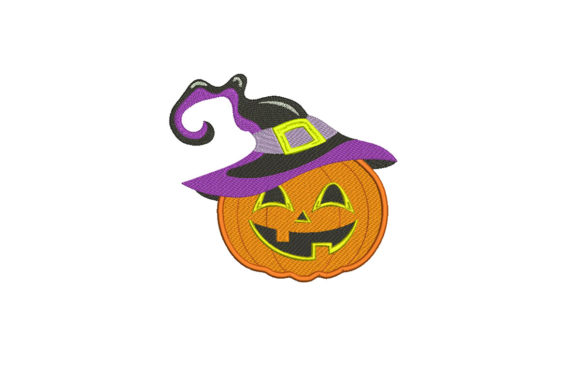
The first thing that strikes you about Funny Pumpkin in a Hat is its playful character. In the world of holiday embroidery, pumpkins are ubiquitous, but finding one that balances whimsy with clean stitch paths can be challenging. This design manages to capture a lighthearted mood without relying on overly complex details that might compromise stitching quality. The layout feels balanced, suggesting that the digitizer considered how the eye travels across the piece. It does not scream for attention with chaotic elements; instead, it offers a friendly, approachable aesthetic that fits well within the current trend of cozy, handmade decor.
For an Etsy seller or small shop owner, visual appeal is only half the battle. The other half is versatility. This design seems to lend itself naturally to a variety of applications. It is not so large that it dominates a small item, nor is it so tiny that it loses definition. The "funny" aspect comes through in the expression and the hat, which adds a narrative element to the piece. This is crucial for creating emotional connections with buyers who are looking for more than just generic seasonal decor.
Real-World Application: The Tote Bag Test
To truly evaluate an embroidery file, you have to imagine it on actual products. I mentally placed this design on a canvas tote bag, a popular item for autumn markets. The shape of the pumpkin and the hat would sit nicely on the flat surface of a bag, allowing the fill stitch areas to lay smooth against the textured fabric. Because the description notes that you can choose the color scheme at your discretion, this becomes a significant advantage. You could stitch it in traditional orange and black for a classic Halloween look, or opt for pastel tones for a whimsical nursery item.
I also considered how it would perform on a sweatshirt. Sweatshirt embroidery requires careful handling of stitch density to avoid stiffness. If this design uses heavy saturation in the pumpkin body, it might feel rigid on a soft fleece. However, if the digitizing utilizes a mix of satin stitch for outlines and lighter fill patterns for the interior, it could work beautifully on the chest or sleeve of a hoodie. The hat detail, likely rendered in contrasting thread colors, would pop against neutral garment shades like heather gray or cream, making it a strong candidate for custom apparel lines.
Considerations for Smaller Items
When scaling down for items like baby clothes or embroidered patches, clarity is key. A personalized gift often relies on the crispness of the design. If Funny Pumpkin in a Hat includes fine details in the facial features or the brim of the hat, these might merge together on a small hoop size. I recommend testing the design on scrap fabric at your intended scale before committing to a final product. For baby embroidery, ensure that the stitch count is not too high, as dense stitching can irritate sensitive skin. Using a soft cut-away stabilizer can help maintain the integrity of the design on stretchy knits without adding bulk.
Technical Performance and Stitching Clarity
The success of any digital embroidery file depends heavily on the underlying stitch types. While I do not have the exact technical specifications here, a design of this nature typically relies on a combination of running stitches for fine details and satin stitches for borders. The pumpkin’s round shape suggests the use of radial or contour fills. If the digitizer has done their job well, the transition between color blocks should be seamless, minimizing jump stitches and thread trims.
Stitch density is another critical factor. Overly dense designs can cause fabric distortion, especially on thinner materials like tea towels or pillow covers. If you plan to use this on a kitchen towel, which has a loose weave, you must use an appropriate stabilizer—likely a tear-away for woven fabrics—to prevent the stitches from sinking into the material. The texture of the fabric plays a huge role here. On a textured linen, the design might need slightly higher density to remain visible, whereas on smooth cotton, standard density should suffice.
One practical tip for evaluating this design is to view it in black and white. This removes the distraction of color and allows you to see the contrast and definition of the shapes. If the hat blends into the pumpkin in grayscale, you may need to adjust your thread colors to ensure sufficient contrast in the final product. This simple check can save you from wasting expensive threads on a project that lacks visual impact.
Navigating Fabric and Hoop Constraints
Not every surface is ideal for every design. Curved surfaces, such as caps, present unique challenges. If you intend to create an embroidered patch or stitch directly onto a cap, you need to consider how the design wraps around the curve. The horizontal width of the hat might distort if the cap panel is narrow. In such cases, resizing the design proportionally is essential. Always confirm the maximum hoop size your machine can handle and compare it with the dimensions of the design. Trying to force a large design into a small hoop by resizing it too much can lead to pixelation or loss of detail.
Dark fabrics require special attention as well. If you are stitching on black or navy, you may need to add an underlay or use a lighter background thread to make the colors of the pumpkin stand out. Without proper contrast, the details of the hat and face could get lost. This is where the flexibility to choose your color scheme becomes a powerful tool for customization. An experienced designer will always test on the specific fabric type they plan to sell, as fabric texture and weight dramatically affect the final outcome.
Commercial Viability and Brand Consistency
For those running a craft business, consistency is vital. Does Funny Pumpkin in a Hat fit your brand aesthetic? If your shop focuses on elegant, minimalist designs, this playful pumpkin might feel out of place. However, if your brand embraces fun, family-friendly, and seasonal themes, this design is a strong asset. It adds value to your product line by offering something unique that customers cannot easily find in mass-produced retail stores.
Using high-quality design assets like this enhances customer trust. When buyers see clean, well-stitched embroidery, they perceive higher value. This translates to better reviews and repeat business. Whether you are selling finished products or using the design for printable mockups to promote your shop, the professionalism of the stitch work reflects directly on your brand. Ensure that you understand the licensing terms before selling items made with this design. Most commercial embroidery licenses allow for physical sales, but it is always wise to double-check the specific agreement provided with the file.
Final Thoughts for the Maker
In conclusion, Funny Pumpkin in a Hat appears to be a versatile and charming addition to your library of embroidery projects. Its strength lies in its adaptability and cheerful demeanor. By paying attention to stitch density, fabric choice, and color contrast, you can transform this digital file into a standout handmade product. Whether you are creating a custom gift for a friend or stocking your online store for the holiday season, this design offers the potential for high-quality results. Remember to test on scraps, use the right stabilizer, and let your creativity guide the color choices. Happy stitching!