Geometrical Border: A Designer’s Review
As an embroidery designer who spends countless hours digitizing and stitching, I approach every new machine embroidery design with a critical eye. We all know that not every file downloaded from the internet translates well to fabric. Some are too dense, others lack structural integrity, and many simply do not look as good in thread as they do on a screen. Recently, I explored Geometrical Border on Creative Fabrica, evaluating it not just as a digital asset, but as a viable component for real-world commercial projects. Here is my honest assessment of how this design performs in a professional workshop setting.
First Impressions and Visual Appeal
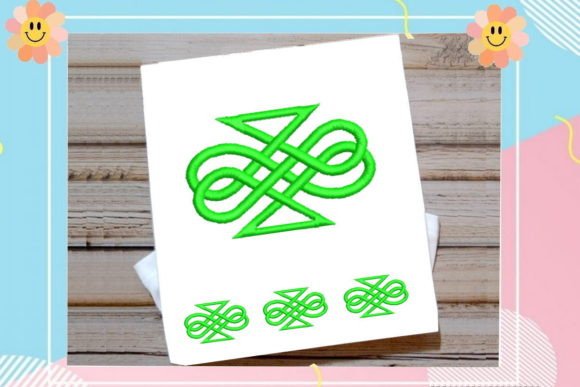
The first thing that strikes you about Geometrical Border is its clean, modern aesthetic. In a market saturated with overly complex floral motifs and vintage scripts, there is a refreshing demand for minimalist, geometric elements. This design fits that niche perfectly. It possesses a "sweet and modern" vibe, as described, which makes it incredibly versatile. The lines are crisp, suggesting a thoughtful balance between satin stitch outlines and potential fill stitch areas, depending on the specific variant chosen from the collection.
For those of us creating design assets for Etsy or craft fairs, visual mood is everything. This border does not scream for attention; rather, it frames the subject matter elegantly. It feels structured yet soft, making it an ideal candidate for projects that require a touch of sophistication without overwhelming the base fabric. Whether you are working on home decor or apparel, the geometric nature provides a contemporary edge that appeals to modern buyers.
Real-World Application and Versatility
The true test of any embroidery file is its adaptability. I considered how Geometrical Border would perform across various product lines. Its linear structure makes it exceptionally suitable for edging and framing. Here is how I envision it being used in a commercial context:
- Custom Apparel: Placing this border along the hem of a t-shirt or the cuff of a sweatshirt adds a custom boutique feel. It works beautifully for sweatshirt embroidery, where a subtle detail can elevate a basic garment into a high-value item.
- Home Decor: Imagine this stitched along the edges of linen napkins or kitchen towels. The geometric pattern complements modern farmhouse and minimalist interior styles, making it a strong seller for home goods.
- Tote Bag Design: A tote bag often serves as a canvas for larger designs. Using this border to frame a monogram or a central logo creates a cohesive, professional look that enhances brand consistency for small business owners.
- Nursery Decor: Because the design is described as "sweet," it translates well to baby items. Stitched onto a muslin swaddle or a pillow cover, it adds a delicate, finished touch that parents appreciate in a personalized gift.
The versatility extends to commercial embroidery as well. If you are producing bulk orders for local businesses, this border can serve as a uniform accent on aprons or caps, providing a clean, branded appearance without the high stitch count of a full-logo coverage.
Technical Considerations for Stitching
While the visual appeal is strong, the technical execution is where a design lives or dies. When working with Geometrical Border, there are several practical factors to consider to ensure a high-quality finished product.
Fabric and Stabilizer Selection
Geometric designs rely on precision. Any puckering or shifting will be immediately visible in straight lines and sharp angles. Therefore, using the correct stabilizer is non-negotiable. For woven fabrics like cotton or linen, a cut-away stabilizer is recommended for durability, especially if the item will be washed frequently. For stretchy fabrics, such as those used in custom apparel, a tear-away backed with fusible web can help maintain stability during hooping.
If you are stitching on textured fabric, be mindful of how the threads interact with the weave. A running stitch underlay is crucial here to anchor the design and prevent sinking. Always test on scrap fabric first. This allows you to check thread colors for contrast and ensure the stitch density does not distort the material.
Hoop Size and Placement
Before downloading, always confirm the hoop size compatibility listed on the Creative Fabrica product page. Geometric borders often require specific dimensions to maintain their proportion. If you are working with smaller hoops, you may need to split the design or choose a scaled-down version if available. For curved surfaces like caps, ensure the design is digitized for cap frames or use appropriate backing to prevent distortion on the curved panel.
Density and Thread Choice
High-density areas can cause thread breaks or needle heat, particularly on synthetic fabrics. Inspect the stitch count and density settings in your embroidery software if you have access to the source file. If not, a test run is essential. Choose high-quality rayon or polyester threads to achieve a smooth, lustrous finish. For a more subdued, rustic look, cotton threads can work well, but ensure the tension is adjusted to accommodate the different thread weight.
Enhancing Product Value and Branding
From a business perspective, Geometrical Border is more than just decoration; it is a tool for increasing perceived value. A simple tote bag becomes a designer accessory when framed with precise, clean embroidery. This attention to detail builds buyer trust. Customers associate clean stitching with quality craftsmanship.
Furthermore, this design aids in product photography. The structured lines create natural leading lines in images, drawing the viewer’s eye to the center of the product. When creating printable mockups or listing photos for your online shop, the symmetry of a geometric border helps create balanced, aesthetically pleasing compositions that drive customer engagement.
Final Verdict and Best Practices
In conclusion, Geometrical Border is a solid addition to any embroidery designer’s library. It bridges the gap between modern minimalism and traditional decorative stitching. It is particularly valuable for creators looking to expand their handmade product lines with items that appeal to contemporary tastes.
However, success lies in the preparation. Do not skip the testing phase. Check the license terms on the Creative Fabrica product page to ensure you are compliant for commercial use. Verify the file formats provided to ensure compatibility with your specific machine. By treating this digital embroidery file with the same care as you would your own digitized work, you can produce stunning, professional-grade items that stand out in the marketplace.
Whether you are creating an embroidered patch, decorating a seasonal gift, or launching a new line of custom apparel, this border offers the reliability and style needed to succeed. It is a reminder that sometimes, the simplest designs, when executed well, make the most significant impact.