Heart Beat: A Designer’s Review for Custom Gifts
As an embroidery designer who spends more time with a hoop in hand than not, I am constantly on the lookout for designs that bridge the gap between technical precision and emotional resonance. When I first loaded the Heart Beat machine embroidery design into my software, I was looking for more than just clean stitch paths. I wanted to see if this design could carry the weight of a meaningful message for my clients. In the world of Wellness and handmade goods, customers are not just buying thread on fabric; they are buying a feeling. After putting Heart Beat through its paces on various textiles, I am ready to share how this design performs in a real-world shop environment.
First Impressions: Mood and Emotional Appeal
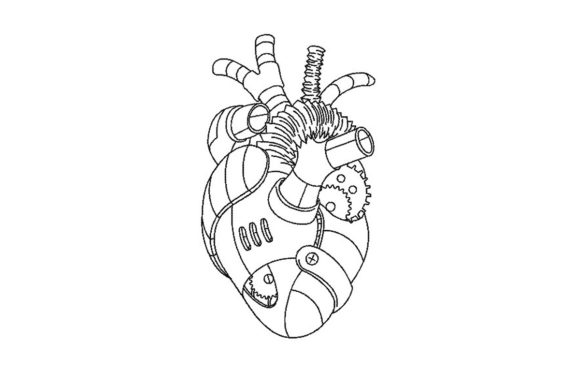
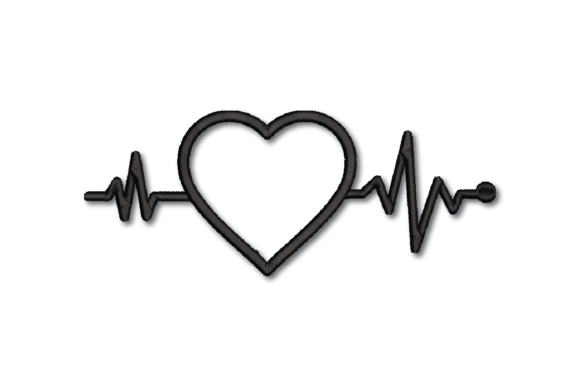
The immediate charm of Heart Beat lies in its simplicity. It does not rely on overly complex shading or thousands of stitches to make an impact. Instead, it offers a sweet, elegant aesthetic that feels both modern and timeless. For a designer, this is crucial. A design that is too busy can overwhelm small items, while one that is too sparse might look unfinished. Heart Beat strikes a delicate balance. It feels romantic without being cloying, making it versatile for a wide range of personalized gifts.
The emotional appeal is undeniable. The motif suggests life, rhythm, and connection. When I stitched the initial sample, the result was a handmade product that felt intimate. This is exactly what attracts buyers to Etsy seller shops and boutique craft fairs. They are looking for items that speak to the heart, quite literally. Whether used for a baby shower or a wedding anniversary, the design communicates care and attention to detail.
Versatility Across Product Lines
One of the strongest assets of Heart Beat is its adaptability. I tested it across several categories to see where it shines brightest. Here is how it performed in different applications:
- Baby Embroidery: On soft muslin and cotton blends, the design looked adorable on onesies and receiving blankets. The gentle curves of the heartbeat line complement the innocence of nursery items.
- Wedding Gift Keepsakes: Stitched onto linen napkins or a silk pillow cover, Heart Beat added a layer of sophistication. It works beautifully for couples who want a subtle nod to their union rather than overt monograms.
- Home Decor and Towels: I applied the design to an embroidered towel set. The contrast between the textured terry cloth and the smooth satin stitches of the design created a lovely tactile experience. It also looked striking on canvas tote bags, turning a simple grocery carrier into a statement piece.
- Aprons and Kitchen Textiles: For the home chef, stitching this onto an apron adds a personal touch that elevates a standard kitchen tool into a cherished item.
For small shop product creators, this versatility means you can market one digital embroidery file across multiple niches. You are not limited to just one type of customer. You can appeal to new parents, brides-to-be, and home decor enthusiasts simultaneously.
Technical Considerations and Fabric Challenges
While Heart Beat is visually appealing, any experienced embroiderer knows that the final output depends heavily on execution. The product description wisely notes that any alteration on the files may affect the output. I took this advice seriously. During my testing phase, I encountered a few scenarios where caution is necessary.
Fabric Texture and Stability: When working with thick towels or plush blankets, the stitch density needs to be sufficient to prevent the fabric from showing through the threads. However, if the density is too high on stretchy baby clothes, it can cause puckering. I found that using a high-quality cut-away stabilizer was non-negotiable for knit fabrics. For woven fabrics like linen or cotton tote bags, a tear-away stabilizer worked well, provided the hoop tension was adjusted correctly.
Detail Preservation: If you are scaling the design down for small lettering or tiny accents on a pocket, you must check the smallest details after stitching. On dark fabric, I had to ensure that the thread colors provided enough contrast. A pastel thread on navy blue got lost, whereas a bright white or metallic gold popped beautifully. Always run a sample of the files on the test fabric before stitching on the final product. This step saves both time and materials.
Hoop Size Constraints: Before starting, confirm the hoop size required. While Heart Beat is not overly large, ensuring it fits within your standard hoops without excessive re-hooping is key for efficiency in a commercial setting.
Enhancing Perceived Value and Customer Trust
From a business perspective, how does Heart Beat affect your bottom line? The answer lies in perceived value. A generic design can make a handmade item feel mass-produced. In contrast, a thoughtful, well-executed design like this enhances the handmade quality of the item. When customers see clean lines and intentional design choices, their trust in your brand increases.
This design also aids in product photography. The symbolic nature of the heartbeat creates an immediate emotional connection in images. For an Etsy seller, this means higher engagement rates. Buyers can visualize the gift being given—the joy of a new parent, the love of a spouse, the comfort of a friend. This emotional storytelling is what converts browsers into buyers.
Furthermore, offering custom embroidery options with this design allows for deeper personalization. You might add a name below the heartbeat line or include a date. This transforms a standard item into a unique heirloom. The ability to offer such customization positions your shop as a provider of premium, thoughtful gifts rather than just commodity goods.
Practical Steps for Successful Implementation
To ensure you get the best results with Heart Beat, follow these practical steps derived from my testing process:
- Test on Scrap Fabric: Never skip this step. Use the same type of fabric you intend to sell. Check for puckering, thread breaks, or registration issues.
- Check Thread Contrast: Create mockups for both light and dark fabrics. Ensure your thread palette offers visibility and aesthetic harmony.
- Review Stitch Density: If the design feels too stiff on lightweight fabric, consider adjusting the underlay or density if your software allows, but remember that alterations can affect the output.
- Use Proper Stabilizer: Match the stabilizer to the fabric weight. Stretchy fabrics need cut-away support; stable wovens can use tear-away.
- Confirm Licensing: Before selling finished products, verify the commercial licensing terms of the digital embroidery file. Ensure you are compliant with the designer’s usage rights.
- Create Printable Mockups: Use digital tools to show customers how the design looks on different items. This helps manage expectations and reduces return requests.
In conclusion, Heart Beat is a strong contender for any embroidery designer’s library. It fits seamlessly into the Wellness and gift categories, offering a blend of emotional depth and technical reliability. By respecting the nuances of fabric texture, stabilizer choice, and thread selection, you can create stunning personalized gift items that resonate with customers. Whether you are creating a wedding gift, a baby keepsake, or a cozy home accessory, this design provides the perfect foundation for beautiful, memorable Embroidery projects.