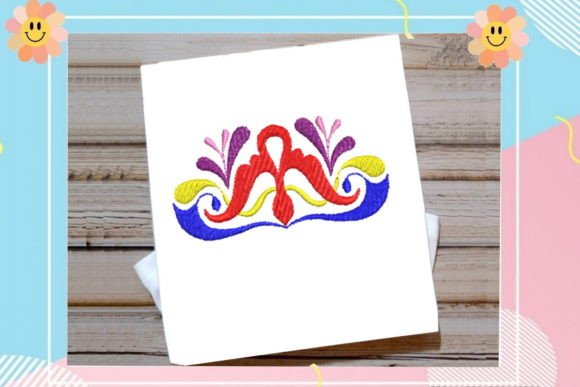
Reviewing the ITH Frame for Craft Fair Success
As an embroidery designer who has spent countless weekends behind a folding table at local markets, I have learned that not every machine embroidery design is created equal when it comes to retail. Some designs look stunning on a screen but fall flat in person. Others are so complex they take hours to stitch, eating into your profit margins. Today, I am putting the ITH Frame under the microscope. This isn't just a technical review; it is a business assessment for those of us turning thread into income.
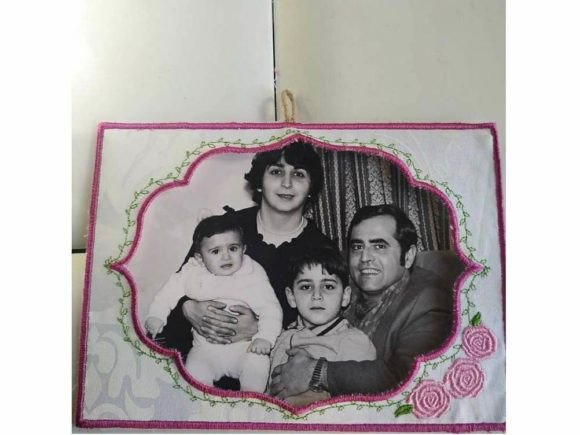
The product description promises a beautiful embroidery of a frame made in the hoop, designed to be fun and easy to stitch. It suggests uses for framing wedding photos, family photos, and dear memories. From a seller’s perspective, this immediately signals versatility. The category is listed as Borders, and the type is Embroidery. But does it hold up when placed next to a handmade candle or a knitted scarf on a busy craft fair table? Let’s dive in.
First Impressions: A Versatile Border for Modern Makers
When I first loaded the ITH Frame into my software, my immediate reaction was one of relief. In the world of digital embroidery file sales and finished goods, simplicity often sells better than complexity. This design feels clean, decorative, and intentionally minimal. It does not scream for attention with chaotic colors; instead, it offers a structured elegance that can adapt to various aesthetics.
For a craft fair booth, visual clarity is king. Customers walk by quickly. They need to understand what they are looking at in seconds. The ITH Frame succeeds here because it is instantly recognizable. It looks like a premium accent rather than a cluttered afterthought. Whether you are aiming for a farmhouse vibe, a modern minimalist look, or a rustic charm, this border provides a professional finish that elevates the perceived value of any handmade product.
Product Applications: Where Does It Sell Best?
The true test of any design is its application. I imagined setting up my display with a variety of items to see where this frame would shine. Here is how I see it performing across different categories:
- Tote Bags: A tote bag design needs to be bold enough to be seen from a distance. Placing the ITH Frame centrally on a canvas tote creates a perfect spot for customization. You could leave it empty for a chic, abstract look or add a monogram inside. It turns a basic bag into a personalized accessory.
- Aprons and Tea Towels: For kitchenware, this design is a winner. Apron embroidery often suffers from being too busy near the pockets. This frame offers a neat boundary that highlights the functionality of the apron without interfering with use. Similarly, tea towel embroidery benefits from the clean lines, making it an ideal gift item for housewarmings.
- Patches and Pouches: As an embroidered patch, the in-the-hoop nature means clean edges and no messy backing cleanup if done correctly. It adds a structured look to small fabric pouches, making them feel like boutique items rather than homemade scraps.
- Pillow Covers: Framing a central motif on a pillow cover gives it a high-end, store-bought appearance. It anchors the design and prevents the embroidery from looking like it was just "placed" randomly on the fabric.
For Etsy sellers and online boutique owners, this versatility is crucial. You can create multiple listings from one design asset by simply changing the fabric color or the thread palette. It allows for a cohesive collection that looks curated and thoughtful.
Production Practicality: Batch Making and Profit Margins
Time is money. If a design takes forty-five minutes to stitch, I need to charge a premium. If it takes ten minutes, I can sell it at a competitive price point and still make a profit. The description notes that the ITH Frame is "fun and easy to stitch." In my experience, this usually translates to lower stitch density and fewer color changes.
This is vital for batch production. When preparing for a weekend market, I need to churn out inventory efficiently. A design that runs smoothly without constant thread breaks or trimming is a lifesaver. Furthermore, because it is an in-the-hoop design, the finishing process is streamlined. There is less risk of fraying edges compared to cut-work appliques, which means less time spent on quality control before the item hits the shelf.
However, ease of stitching does not mean we can ignore technical details. You must check the hoop size compatibility. Ensure your machine can handle the dimensions required for the frame. If the frame is too large for your standard 4x4 hoop, you might be forced to use a 5x7 or 6x10, which changes the scale of your final small shop product.
Careful-Use Notes: Avoiding Common Pitfalls
While the ITH Frame is user-friendly, there are scenarios where it might struggle. As a designer, I always advise testing on scrap fabric first. Here are specific conditions to watch out for:
- Fabric Texture: On highly textured towels or thick denim, the fine lines of a border can get lost. Ensure your thread colors contrast sharply with the fabric. A white frame on a cream towel will vanish in photos and in person.
- Curved Surfaces: If applying this to caps, remember that curved surfaces distort flat designs. The frame might appear oval rather than round. Always digitize or adjust for the curvature of the cap buckram.
- Dense Stitch Areas: Even if the design is simple, check the density settings. If the corners are too dense, they may pucker lightweight fabrics like chiffon or silk. Use the right stabilizer—cut-away for stretchy fabrics, tear-away for stable wovens.
- Small Lettering: If you plan to add text inside the frame, ensure the font size is legible. Tiny details can merge together during stitching, especially if the tension is slightly off.
Visual Appeal and Brand Consistency
Why does this matter for your brand? Consistency builds trust. When a customer sees the same high-quality framing technique on your tote bags, pillows, and patches, they recognize your signature style. The ITH Frame acts as a visual anchor. It tells the buyer that attention to detail was paid to the edges, not just the center.
For online listings, this design photographs beautifully. It creates natural negative space that draws the eye. When creating a printable mockup for your digital store or social media ads, the frame provides a clear area to overlay text or lifestyle imagery. It enhances the finished product by giving it a polished, complete look that amateur crafters often miss.
Final Designer Verdict
Before you commit to producing a full line of craft fair products using this design, do your due diligence. Verify the commercial licensing terms. Just because a file is easy to stitch does not mean it is free to use for commercial embroidery without checking the license. Confirm the file formats included to ensure they work with your specific machine software.
Create at least one real mockup. Stitch it on the exact fabric you plan to sell. Compare it against your other items. Does it stand out? Does it complement your existing color palette? If the answer is yes, then the ITH Frame is a strong addition to your library. It bridges the gap between decorative flair and practical production, making it a reliable tool for any serious embroidery entrepreneur looking to elevate their booth display and online presence.