Shark Applique Review: A Craft Fair Best-Seller?
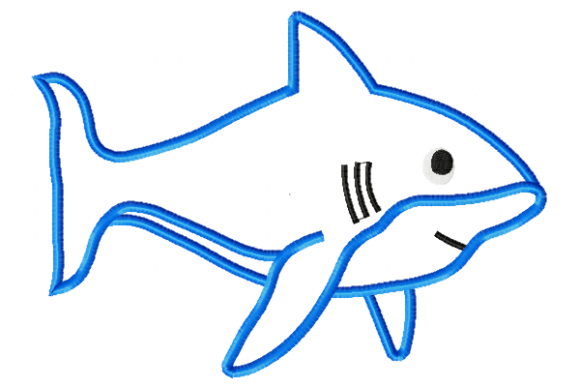
As an embroidery designer who has spent countless weekends behind a booth table, I know that not every machine embroidery design translates into a sale. Some designs are beautiful on screen but vanish in person. Others are too complex for quick production. When I pulled up the Shark Applique to evaluate it for my upcoming summer market lineup, I was looking for something that screamed "impulse buy." This design, categorized under Fish and intended for Embroidery applications, immediately caught my eye for its potential versatility.
First Impressions: Bold, Playful, and Summer-Ready
The first thing you notice about Shark Applique is its attitude. It does not try to be overly realistic or stiff. Instead, it leans into a playful, approachable aesthetic that feels perfect for children’s items and summery accessories. In a craft fair setting, where customers scan tables in seconds, this design works because it is instantly recognizable. It is not subtle, and that is a strength. The bold lines and applique nature suggest a texture that invites touching, which is half the battle in handmade sales.
For those of us running a small shop product line, consistency is key. This design feels like it belongs in a collection that is fun, modern, and slightly nautical without being kitschy. It avoids the clutter of excessive detail, making it a strong candidate for batch production. Whether you are an Etsy seller looking to refresh your digital listings or a boutique maker preparing physical inventory, the visual clarity here is a major asset.
Product Potential: Where Does It Shine?
I tested the concept of Shark Applique across several common craft fair staples. Here is how it performs on different substrates:
- Tote Bags and Market Bags: This is arguably the strongest application. A large shark on a canvas tote creates an instant statement piece. As a tote bag design, it appeals to parents looking for durable, fun school bags or beach essentials. The applique technique adds dimension, making the product feel premium rather than mass-produced.
- Aprons and Kitchen Textiles: For apron embroidery, the design adds a whimsical touch to cooking gear. It works equally well for tea towel embroidery, provided the scale is adjusted. Customers love themed kitchen sets, and pairing a shark apron with matching towels can increase your average order value.
- Caps and Headwear: Embroidering on curved surfaces is tricky. While the design is cute, you must be cautious with the hoop size and placement. If the shark is too wide, it will distort on the front panel of a cap. However, as a side accent or on a bucket hat, it could be a hit for summer festivals.
- Embroidered Patches: If you want to maximize profit margins, consider turning this into an embroidered patch. Patches are low-commitment purchases for browsers. The applique style holds up well when cut out and edged, allowing customers to iron or sew them onto denim jackets or backpacks later.
Production Reality: Stitch Density and Fabric Choices
From a technical standpoint, applique designs are generally faster to stitch than full-fill designs, which is crucial when you are producing inventory for a weekend show. However, you must pay attention to stitch density in the satin borders. If the density is too high, you risk puckering lightweight fabrics. If it is too low, the edges may fray over time.
When working with textured materials like terry cloth for towels, ensure your stabilizer choice is robust. A cut-away stabilizer is often safer for items that will be washed frequently. Also, consider thread colors carefully. While gray and blue are obvious choices for a shark, don’t be afraid to experiment with unexpected palettes for a unique twist—perhaps a pastel pink shark for a nursery theme. This flexibility allows you to create varied finished product lines from a single digital embroidery file.
One critical note: always check the fabric texture. On dark fabrics, ensure the applique fabric contrasts sharply. A navy shark on a black shirt will disappear. Use bright whites or vibrant blues to make the design pop. This is especially important for online listings where lighting can flatten images.
Visual Appeal and Customer Engagement
In a busy marketplace, your booth display needs anchors. Shark Applique serves as a strong visual anchor. Because it is bold, it photographs well for printable mockup creation and social media posts. High-contrast images stop the scroll. For commercial embroidery businesses, this means easier marketing. You do not need elaborate staging; the design speaks for itself.
Furthermore, the design supports brand consistency. If your brand focuses on ocean life, kids' wear, or summer fun, this fits seamlessly. It does not look out of place next to other sea creatures or beach-themed items. This cohesion helps buyers trust your expertise as a creator.
Practical Designer Notes for Success
Before you commit to stitching fifty units, follow these steps to ensure quality:
- Test on Scrap Fabric: Never skip this. Check how the applique fabric frays after washing. Ensure the tack-down stitches hold securely.
- Review Spacing and Scale: Does the design lose clarity at smaller sizes? If you plan to put it on a baby onesie, verify that the details remain distinct. Tiny elements can get lost in the bulk of the fabric.
- Confirm File Details: The product description mentions multiple embroidery files, but it cuts off. Always verify the exact formats included (PES, DST, JEF, etc.) and the recommended hoop sizes before purchasing. Ensure the license allows for commercial embroidery if you plan to sell physical goods.
- Create Real Mockups: Do not rely solely on digital previews. Stitch one sample on each type of product you intend to sell. Compare how it looks on cotton versus linen versus polyester.
Final Verdict for Craft Fair Sellers
The Shark Applique is a solid contender for your summer inventory. It balances ease of production with high visual impact. It is particularly effective as a craft fair product because it appeals to a broad demographic: parents, gift-givers, and ocean enthusiasts. By focusing on high-traffic items like tote bags and patches, you can leverage this design to drive foot traffic to your booth.
Remember, the success of any handmade product depends on execution. Take the time to refine your thread tension and fabric choices. When done right, this design does not just sit on a shelf; it invites interaction. And in the world of handmade sales, interaction leads to conversion. Add this to your design assets library, test it thoroughly, and watch it swim its way into your best-sellers list.