White Teeth: A Designer’s Review for Small Business Merch
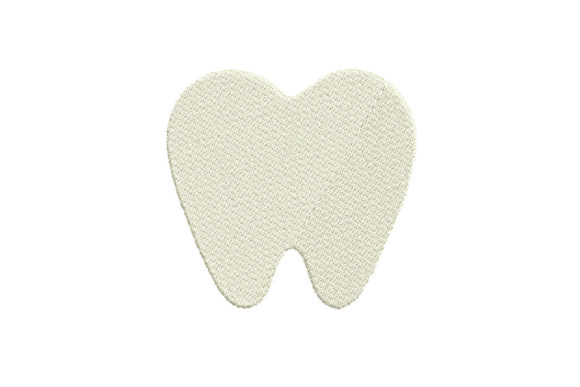
As an embroidery designer who has spent years digitizing and reviewing files for commercial use, I approach every new machine embroidery design with a critical eye. It is not just about whether the image looks cute on a screen; it is about how that design translates into thread, how it holds up on fabric, and ultimately, how it serves a business owner’s brand. Today, I am taking a close look at White Teeth, a simple and charming motif that promises to be a wonderful embellishment for anyone working in the dental field or for people who value their health. While categorized under Beauty and Embroidery, its potential extends far beyond these narrow labels, offering unique opportunities for small business merchandise and branded patch applications.
First Impressions: Simplicity as a Strength
The first thing that strikes me about White Teeth is its unapologetic simplicity. In a market saturated with overly complex, high-density designs that often pucker fabric or break needles, this design feels refreshing. It reads as friendly, approachable, and clean. For a dental practice, a hygiene product brand, or a health-focused boutique, this visual language is crucial. It does not scream for attention with aggressive lines; instead, it invites trust through clarity.
From a technical standpoint, a "simple" design often means lower stitch density, which is a significant advantage for production speed and fabric integrity. However, simplicity also demands precision. There is nowhere for poor digitizing to hide. When I review White Teeth, I am looking for smooth curves and consistent spacing. If the outline is jagged or the fill is uneven, the charm is lost. Based on the description, this design aims for a cute aesthetic, which suggests rounded edges and a soft visual weight. This makes it highly versatile for modern branding that values minimalism and warmth over corporate stiffness.
Real-World Applications for Small Business Merch
For small business owners, Etsy sellers, and apparel decorators, the versatility of a design determines its ROI. Here is how I envision White Teeth performing in real-world commercial scenarios:
- Embroidered Patches: This is perhaps the strongest use case. A simple tooth icon works beautifully as an iron-on or sew-on patch. It can be applied to denim jackets, canvas bags, or even laptop sleeves. For a dental office, these could serve as fun patient gifts or staff incentives. The key here is ensuring the border is dense enough to prevent fraying after repeated washing.
- Staff Uniforms and Aprons: For hygienists, dentists, or even staff at a health-food café, White Teeth can be embroidered on the chest pocket of a scrub top or the corner of an apron. It acts as a subtle badge of pride. Because the design is likely compact, it avoids the bulkiness that can make uniforms uncomfortable.
- Cap Embroidery: Front-panel cap embroidery requires designs that are not too tall. A simple tooth icon fits perfectly within the standard 2.5-inch height constraint of most caps. It provides a playful twist on standard medical logos, making the brand feel more accessible to patients.
- Tote Bag Design: Canvas tote bags are a staple for handmade brands. Placing White Teeth centrally or as a corner accent adds value to a basic bag. It transforms a generic item into a branded statement piece that customers will actually use, increasing brand visibility in public spaces.
Navigating Technical Challenges
While the concept is strong, executing White Teeth requires attention to detail. As a designer, I must advise caution in specific areas to ensure the finished product meets professional standards.
Stitch Density and Fabric Texture: If this design uses a satin stitch for the outline, it must be optimized for the fabric. On textured fabrics like terry cloth towels or rough canvas, a thin satin stitch might sink in or look uneven. In such cases, adding an underlay or choosing a slightly wider stitch width can help the design pop. Conversely, on smooth performance fabrics used in scrubs, too much density can cause puckering. Always test on the actual material you intend to sell.
Color Contrast: The title implies a white tooth, but embroidering pure white thread on white fabric is a recipe for invisibility. For brand identity to remain strong, you must consider contrast. If stitching on white uniforms, consider using a light gray or pale blue thread for the outline to define the shape. Alternatively, use the design on darker navy or teal scrubs where the white thread will stand out sharply. Always create a printable mockup to check visibility before committing to production.
Size Limitations: Simple designs can lose definition if scaled down too far. If you are planning to use this as a tiny label on a product tag, ensure the details do not merge. Check the minimum recommended size provided with the digital embroidery file. If no specific size is listed, run a test stitch-out at your intended smallest size to verify clarity.
Enhancing Brand Identity and Customer Trust
In the world of small business merch, consistency is king. Using a cohesive set of design assets helps build recognition. White Teeth can be part of a larger visual system. For example, if a dental brand uses this icon on their social media, having it physically present on their staff’s custom apparel creates a seamless customer experience. It signals professionalism and attention to detail.
Furthermore, handmade elements convey care. A mass-printed logo is functional, but an embroidered patch suggests quality and longevity. When a customer receives a tote bag or a cap with high-quality embroidery, they perceive higher value. This perception allows businesses to justify premium pricing. For Etsy sellers, offering personalized items with this design can significantly boost buyer engagement and conversion rates.
Practical Notes for Production
Before you load this design into your machine for a large batch order, follow these essential steps to mitigate risk:
- Check the File Details: The product description notes that the design comes with certain files, but it cuts off. Ensure you verify the available formats (PES, DST, JEF, etc.) to match your machine. Confirm the hoop size requirements to ensure it fits your equipment without re-hooping.
- Test Stabilizer Compatibility: Use the correct stabilizer for your fabric. For stretchy scrubs, a cut-away stabilizer is often best to prevent distortion over time. For woven tote bags, a tear-away may suffice.
- Review Thread Colors: Map out your thread palette. If you are using variegated threads, ensure they do not obscure the simple shape of the tooth. Solid colors usually work best for clear iconography.
- Commercial Licensing: Always confirm the license terms. Since this is intended for commercial embroidery and sale, ensure the designer grants permission for unlimited physical sales. Do not assume; read the fine print.
- Create Client Mockups: If you are selling this service to a dental client, show them digital mockups on various items—aprons, caps, and bags. This helps them visualize the end result and approve the placement before you stitch a single thread.
In conclusion, White Teeth is a promising addition to any embroidery library focused on health, beauty, or lifestyle niches. Its strength lies in its simplicity, but its success depends on thoughtful execution. By paying attention to fabric choice, color contrast, and proper stabilization, you can transform this simple machine embroidery design into a powerful tool for brand building. Whether used for staff uniforms, promotional patches, or retail merchandise, it offers a clean, professional look that resonates with modern consumers. Just remember to test thoroughly and respect the technical limits of your equipment to ensure every stitch counts.