Cute Bees: A Designer’s Review for Holiday Collections
As an embroidery designer who spends countless hours digitizing and testing patterns, I approach every new machine embroidery design with a critical eye. It is not just about whether the stitches look good on my screen; it is about how that design will perform in the hands of a busy Etsy seller or a crafter preparing for the holiday rush. Recently, I reviewed Cute Bees, a charming addition to the Bugs category, and I am eager to share my thoughts on how this piece fits into a seasonal product lineup. For those of us building collections for winter holidays, spring celebrations, or year-round nature-themed gifts, understanding the versatility and technical requirements of a design is crucial.
First Impressions: Mood and Aesthetic Appeal
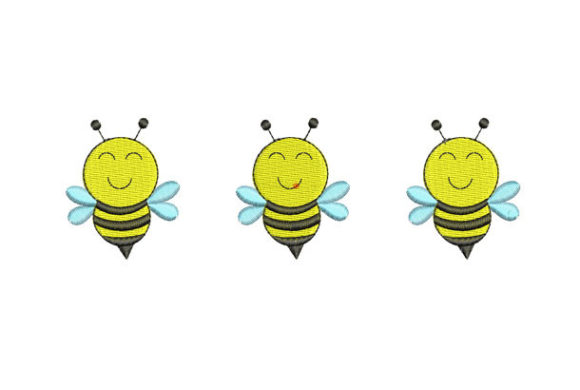
The first thing that strikes you about Cute Bees is its delicate balance between whimsy and elegance. In a market saturated with overly complex or generic motifs, this design offers a refreshing sense of playfulness without sacrificing sophistication. The emotional tone is warm and inviting, making it an excellent candidate for seasonal embroidery projects that aim to evoke feelings of coziness and nostalgia. Whether you are targeting customers who love rustic farmhouse decor or modern minimalist aesthetics, this bee motif bridges the gap effectively.
The decorative style leans towards the "cute" spectrum, but it avoids being childish. This broadens its appeal significantly. It works beautifully for baby items, yet it is equally suitable for adult apparel like linen aprons or canvas tote bags. When I envision this design in a holiday context, I see it as a perfect accent for gift bundles. Imagine a set of kitchen towels embroidered with these bees, paired with local honey—a thoughtful handmade gift that feels personal and premium. The detail level is sufficient to catch the eye but not so dense that it overwhelms small fabric areas, which is a common pitfall in bug-themed designs.
Strategic Placement in Seasonal Product Lines
When planning a small shop product drop for the holidays, versatility is key. Cute Bees shines in its ability to adapt to various substrates. Here is how I would strategically deploy this design across different product categories:
- Sweatshirt Embroidery: Placed on the left chest or as a small pocket accent, this design adds a subtle touch of nature to cozy winter wear. It pairs wonderfully with earth-toned threads like mustard yellow, soft brown, or cream.
- Tote Bag Design: Canvas bags are staples for holiday shoppers. A centered or corner-placed bee creates an instant focal point. The design’s simplicity ensures it remains legible even on textured canvas fabrics.
- Kitchen Towel Embroidery: This is perhaps the strongest use case. Bees symbolize industry and sweetness, making them ideal for kitchen linens. Use contrasting thread colors to make the design pop against white or natural linen towels.
- Pillow Cover Accents: For home decor, consider stitching this onto throw pillows. It adds a organic element to living spaces, perfect for customers looking to refresh their homes for spring or add warmth in winter.
- Embroidered Patch: If you offer patches, this design is compact enough to be ironed or sewn onto jackets and hats. Patches are high-margin items that appeal to younger demographics and customizers.
For holiday embroidery specifically, think beyond Christmas. This design is perfect for Earth Day promotions, Mother’s Day gifts, or back-to-school collections. By positioning Cute Bees as a year-round staple with seasonal color variations, you maximize the value of your digital embroidery file purchase.
Technical Considerations for Professional Results
While the aesthetic appeal is strong, successful execution depends on technical precision. As a designer, I must advise caution in certain applications. The description notes that this is a delicate design, which implies finer details. Here are critical factors to consider before stitching:
Stitch Density and Fabric Texture: Delicate designs can sometimes suffer if the stitch density is too high for lightweight fabrics. Always test on a scrap piece of your intended material. If you are working with thick towels, ensure your needle is sharp enough to penetrate without causing puckering. Conversely, on stretchy garments like sweatshirts, proper stabilization is non-negotiable. Use a cut-away stabilizer for knits to prevent distortion after washing.
Hoop Size and Placement: Since the specific hoop size is not detailed in the brief, you must check the file specifications before purchasing or stitching. Ensure the design fits comfortably within your hoop without hitting the edges. For small hoop sizes, verify that the intricate parts of the bee do not become lost or merged. Tiny lettering, if included in any variant of the design, should be avoided on textured fabrics like terry cloth, as it may become illegible.
Thread Colors and Contrast: The choice of thread colors will define the seasonal mood. For a festive winter look, consider metallic gold threads for the bee’s stripes, paired with deep green or red backgrounds. However, be cautious with metallic threads on high-speed machines, as they can break easily. For a more rustic, everyday look, stick to matte cotton or polyester threads in natural hues. Always test your color palette on both light and dark fabrics to ensure visibility and contrast.
Enhancing Buyer Emotion and Brand Value
In the world of commercial embroidery, the design is only half the battle; the presentation is the other half. Cute Bees has high potential for enhancing buyer emotion. Nature-related projects often resonate with customers seeking comfort and connection to the outdoors. By using this design, you tap into that emotional desire for simplicity and beauty.
To leverage this, create realistic mockups that show the design in use. A printable mockup showing the bee on a folded linen napkin next to a jar of honey tells a story. It helps the customer visualize the finished product in their own home. This visual recognition builds trust and increases the perceived value of your items. When customers see a cohesive brand aesthetic—where the embroidery quality matches the photography and packaging—they are more likely to return.
Furthermore, this design supports brand consistency. If your shop focuses on nature, sustainability, or handmade crafts, Cute Bees reinforces that identity. It signals to your audience that you curate designs with care and attention to detail. During holiday shopping periods, when buyers are overwhelmed with choices, a distinct and consistent visual style helps your products stand out.
Final Designer Notes and Licensing
Before adding Cute Bees to your seasonal collection, there are a few final steps to ensure professionalism. First, always confirm the commercial licensing terms. Most digital files come with specific rules about how many finished items you can sell. Ensure you are compliant to protect your business.
Second, conduct a thorough review of the stitched sample. Look for any loose threads or jumps that might need trimming. Check the alignment of the wings and body to ensure symmetry. If the design includes multiple sizes, test the smallest one to ensure it retains its integrity. Finally, consider creating a limited edition run. Scarcity drives demand. Launching a "Spring Bee Collection" or "Holiday Hive Bundle" can create urgency and boost sales.
In conclusion, Cute Bees is a versatile and emotionally resonant addition to any embroidery designer’s library. With careful attention to technical details like stabilizer choice and thread selection, it can elevate a wide range of products from simple tote bags to premium home decor. For the Etsy seller or small business owner looking to expand their seasonal offerings, this design offers a sweet opportunity to connect with customers through the timeless appeal of nature-inspired art.