Cute Little Snow Flower: A Designer’s Review
As an embroidery designer who has spent years digitizing patterns and testing them on everything from flimsy silk to heavy denim, I approach every new machine embroidery design with a mix of curiosity and skepticism. We have all been there: you download a file that looks pristine in the preview, only to find it puckers the fabric or loses its charm once the needle hits the cloth. That is why I took a close look at Cute Little Snow Flower. This isn’t just about aesthetics; it is about how this design performs in the real world of craft businesses and handmade production.
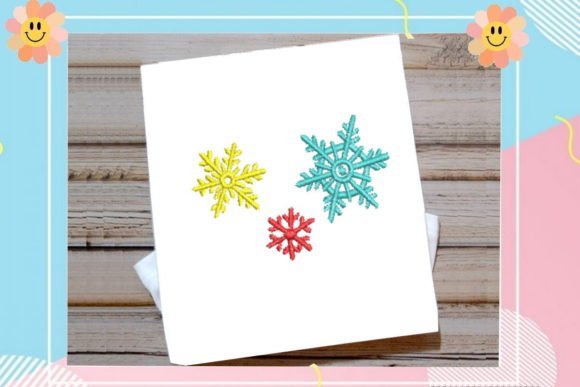
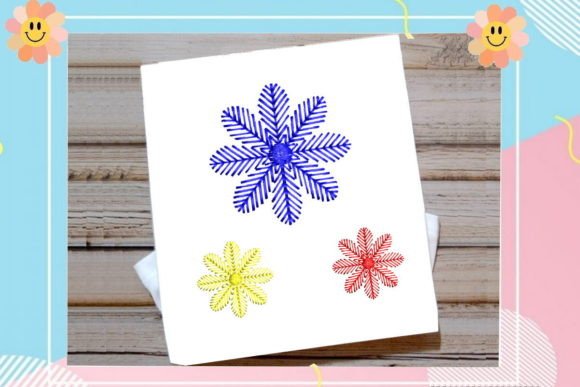
The first impression of Cute Little Snow Flower is one of understated elegance. It does not scream for attention with overly complex details or excessive stitch counts. Instead, it offers a sweet, modern silhouette that feels perfectly suited for the Winter season without being cliché. The layout is balanced, suggesting a thoughtful approach to digitizing that prioritizes stitching clarity over unnecessary density. For those of us creating embroidery projects for clients, this balance is crucial. It means the design is versatile enough to sit comfortably on a variety of products without overwhelming the base material.
Real-World Application: The Tote Bag Test
To truly evaluate an embroidery file, you have to imagine it in a specific context. I recently worked on a batch of custom canvas tote bags for a local boutique. These bags needed a design that was recognizable from a distance but detailed enough to reward closer inspection. Cute Little Snow Flower fit this brief exceptionally well. When stitched onto medium-weight cotton canvas, the design maintained its structural integrity. The lines remained crisp, and the overall shape held true to the digital preview.
This kind of reliability is what separates a good digital embroidery file from a great one. For an Etsy seller or small shop owner, consistency is key. You cannot afford to waste hours unpicking stitches because a design pulled too hard on the fabric. In my test, the design behaved predictably. It did not require excessive hooping tension adjustments, which is a significant time-saver when producing multiple units for a craft business. Whether you are making a personalized gift for a friend or stocking inventory for a holiday market, knowing your design will stitch out correctly the first time is invaluable.
Versatility Across Product Lines
One of the strongest assets of Cute Little Snow Flower is its adaptability. While it naturally leans toward holiday embroidery themes, its clean lines allow it to transcend seasonal boundaries. I can easily see this design working as a subtle accent on custom apparel like sweatshirts or cardigans. On darker fabrics, such as navy or charcoal fleece, the design pops beautifully if paired with high-contrast thread colors like white, silver, or icy blue. On lighter fabrics, pastels create a soft, dreamy effect that appeals to the baby and nursery market.
Speaking of the nursery market, this design is an excellent candidate for baby embroidery. Parents often prefer designs that are sweet but not overly busy. Cute Little Snow Flower strikes that chord. It would look adorable on a burp cloth, a onesie, or a blanket border. However, when working with stretchy knits or thin fabrics typical of baby clothes, I always recommend using a cut-away stabilizer to ensure the design remains stable after repeated washing. The stitch density appears moderate, which is ideal for these delicate applications, but testing on scrap fabric is non-negotiable.
Beyond apparel, consider the potential for home decor. A tote bag design is just the beginning. Imagine this motif embroidered on kitchen tea towels, pillow covers, or even as part of a larger quilt block. The simplicity of the snow flower allows it to blend seamlessly into various interior styles, from rustic farmhouse to modern minimalist. For commercial embroidery projects, this versatility expands your potential customer base significantly.
Technical Considerations and Fabric Choice
While Cute Little Snow Flower is user-friendly, no design is immune to the physics of embroidery. The choice of fabric and stabilizer plays a massive role in the final outcome. If you are planning to use this on textured fabrics like terry cloth or heavy wool, be mindful of how the stitches interact with the pile. A satin stitch might get lost in deep textures, so ensuring your thread colors contrast sufficiently with the background is essential for visibility.
For curved surfaces like caps or hats, placement is critical. The design’s compact nature makes it suitable for sweatshirt embroidery chest pockets or cap fronts, but you must account for the curvature. Hooping properly with a sturdy stabilizer will prevent distortion. If you are new to embroidering on caps, start with a lower speed and monitor the thread tension closely. The design’s lack of extremely fine details works in your favor here, as complex elements tend to distort more easily on uneven surfaces.
Another technical aspect to consider is the type of stitch used. While I do not have the exact technical breakdown of every satin stitch or fill stitch in this specific file, the visual output suggests a smart combination of running stitches for outlines and fills for body areas. This combination helps keep the design flexible and less prone to puckering. Always check the recommended hoop size before starting. Even if a design fits physically, ensure your machine’s field of view accommodates it without requiring re-hooping, which can lead to alignment issues.
Enhancing Brand Value and Customer Trust
From a business perspective, the quality of your design assets directly impacts your brand perception. Using a high-quality, well-digitized design like Cute Little Snow Flower signals professionalism to your customers. Clean edges, consistent tension, and a pleasing aesthetic contribute to a premium feel. When customers receive a finished product that looks polished, they are more likely to leave positive reviews and return for future purchases.
For those creating printable mockups for online listings, this design photographs well. Its clear shapes and defined edges translate nicely into digital images, helping potential buyers visualize the final item. Whether you are selling the physical handmade product or the applique design itself, presentation matters. A design that looks good in person and on screen gives you a competitive edge in crowded marketplaces.
Final Designer Notes
Before you commit to a large production run, always perform a test stitch. Use the same fabric and stabilizer combination you plan to use for the final product. Check the thread color contrast under different lighting conditions. If you are selling items made with this design, confirm the licensing terms provided with the embroidery file. Most designers allow commercial use for finished physical items, but restrictions may apply to reselling the digital file itself.
In summary, Cute Little Snow Flower is a reliable, charming addition to any designer’s library. It balances aesthetic appeal with practical stitchability, making it a strong choice for winter-themed projects, baby items, and everyday accessories. By understanding its strengths and respecting the technical requirements of embroidery, you can leverage this design to create beautiful, profitable products that resonate with your audience.