Danger Hazard Sign with Skull: A Designer’s Review
As an embroidery designer who has spent years digitizing and testing thousands of motifs for small businesses, I have learned that the right graphic can define a brand just as much as a logo. Recently, I evaluated the Danger Hazard Sign with Skull machine embroidery design to determine its viability for commercial use. This is not merely a decorative element; it is a bold statement piece rooted in the Awareness category. For boutique owners, café managers, and handmade merch creators, understanding how this specific embroidery file translates from screen to fabric is crucial for maintaining professional standards.
First Impressions: Boldness Meets Professionalism
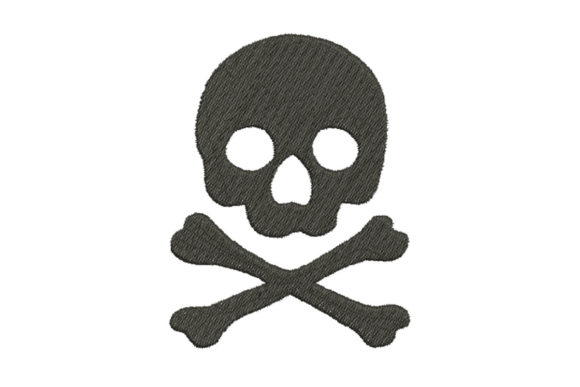
The immediate visual impact of the Danger Hazard Sign with Skull is undeniable. It strikes a balance between playful edginess and serious warning symbolism. In a market saturated with floral motifs and minimalist typography, this design stands out due to its high-contrast nature. It feels modern yet classic, leveraging universal symbols that require no explanation. For brands aiming to project a rugged, industrial, or slightly rebellious image, this design asset fits perfectly. However, for a soft, pastel-themed bakery, it might feel too aggressive unless used ironically or in a very specific context, such as a "hot oven" warning apron.
The design’s strength lies in its clarity. When reviewing digital embroidery files, I look for clean lines and distinct separation between elements. This motif delivers on that front, making it easier to stitch cleanly on various fabrics. It does not rely on subtle gradients, which are notoriously difficult to reproduce in thread, but rather on strong shapes and solid fills. This makes it a reliable choice for both novice embroiderers and high-volume commercial embroidery shops.
Real-World Applications for Small Business Merch
Integrating the Danger Hazard Sign with Skull into your product line requires strategic thinking. Here is how this design performs across different merchandise categories:
- Embroidered Patches: This is arguably the best application. The self-contained nature of the hazard sign shape makes it ideal for iron-on or velcro-backed patches. These can be sold as standalone accessories or applied to denim jackets and backpacks, adding significant value to handmade products.
- Staff Uniforms and Aprons: For coffee shops, breweries, or auto repair shops, this design works exceptionally well on apron embroidery. It can serve as a humorous yet functional warning label near pockets or chest areas. It adds personality to staff uniforms without compromising professionalism if placed correctly.
- Cap Embroidery: Placing this on the front panel of a trucker hat or dad cap creates a striking focal point. However, due to the curved surface of cap embroidery, you must ensure the design is not too wide. It works best as a centered chest-sized logo or a smaller side-panel accent.
- Tote Bag Design: Canvas tote bags provide a flat, stable surface that highlights the stitch density of the design. It transforms a simple bag into a statement piece, appealing to customers who appreciate alternative aesthetics.
For Etsy sellers and craft business assets, this design offers versatility. It can be used on event merch for music festivals, branded product add-ons for streetwear labels, or even as a unique tag for packaging. The key is consistency; using the same thread colors across all items helps build a cohesive brand identity.
Navigating Technical Challenges and Fabric Constraints
While the Danger Hazard Sign with Skull is visually strong, technical execution is where many beginners fail. As a designer, I advise caution in several areas. First, consider the stitch density. Hazard signs often feature solid fills. If the digitizer has set the density too high, the fabric may pucker, especially on lightweight materials like t-shirts. Always test on a scrap piece of your actual production fabric.
Second, pay attention to hoop size limitations. If you are stitching this on a small cap or a narrow sleeve, ensure the design fits within your hoop without needing excessive re-hooping, which can lead to misalignment. Third, fabric texture matters. On textured towels or rough canvas, fine details might get lost. This design relies on bold outlines, which helps, but you should avoid using it on highly textured fabrics if the skull’s facial features are intricate.
Dark uniforms present another challenge. If you are stitching on black shirts, you cannot use black thread for the outline. You must choose high-contrast thread colors like white, yellow, or red to ensure the hazard symbol remains visible. Always create a printable mockup to visualize color combinations before committing to production.
Impact on Brand Identity and Customer Trust
Using a symbol like a skull and hazard sign affects how customers perceive your brand. It signals confidence and a departure from the mundane. For small business merch, this can increase buyer engagement because it sparks conversation. However, it must align with your overall brand voice. If your brand is about safety, reliability, or edgy fashion, this design reinforces those values. If your brand is about tranquility or luxury, it may create cognitive dissonance.
Professionalism in commercial embroidery is not just about the design choice but the finish. A poorly stitched hazard sign looks sloppy and can damage customer trust. Conversely, a crisp, well-stabilized patch elevates the perceived value of the finished product. It shows attention to detail, which is critical for retaining clients in the competitive handmade market.
Practical Notes for Production Success
Before running a large batch of custom apparel or accessories featuring the Danger Hazard Sign with Skull, follow these essential steps:
- Test in Black and White: Convert your preview to grayscale. If the design loses its definition without color, the contrast is insufficient. Adjust thread choices accordingly.
- Check Scalability: Resize the design to its smallest intended use, such as a small patch size. Ensure the skull’s eyes and the text (if any) remain legible. If details merge, the design is too complex for that size.
- Use Proper Stabilizer: Given the likely fill stitches, use a cut-away stabilizer for garments that will undergo frequent washing. This prevents distortion over time.
- Verify File Formats: The product description notes that this machine embroidery design comes with multiple embroidery file format options. Ensure you have the correct format for your specific machine brand (e.g., PES, DST, JEF) to avoid conversion errors that can alter stitch paths.
- Confirm Licensing: Always review the license terms included with the digital embroidery file. Confirm that commercial use is permitted for selling physical goods. This is vital for protecting your business from legal issues.
In conclusion, the Danger Hazard Sign with Skull is a potent tool for designers and small business owners looking to make a bold impression. It bridges the gap between functional warning signage and stylish graphic art. By respecting the technical requirements of embroidery and aligning the design with your brand’s core identity, you can create standout merchandise that resonates with your audience. Whether used on a barista’s apron or a limited-edition tote, this design proves that awareness and style can coexist beautifully in thread.